Monday - Saturday 9:00am - 8:00pm +91-9980094600

Category: Rheumatology

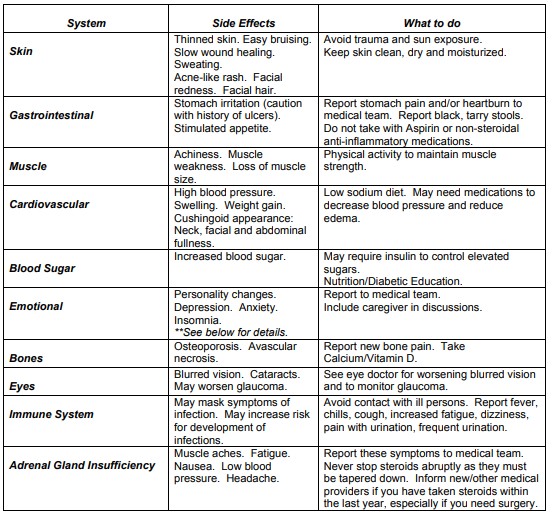
Harms of Glucocorticoids

Steroid Education Sheet

Steroids are used to reduce or prevent inflammation and decrease immune responses.
They also can be used to treat some cancers.
How to take steroids:
*Take with food to avoid stomach upset.
*Take in the morning to coincide with the body’s natural cortisol secretion cycle.
POTENTIAL SIDE EFFECTS

Additional Information about Potential Psychological Effects

• Emotional and social side effects of steroids can be unpredictable. Research estimates vary
widely, but suggest that between 2 – 57% of people experience these side effects.
• Up to 6% of patients experience severe psychiatric side-effects including mania, depression,
psychosis, delirium, and obsessive-compulsive syndrome.
• These psychological difficulties, even if at relatively low levels, can cause relationship challenges
and can lead to frustration, poor communication, and fear.
• A pre-existing mental illness does not necessarily predict psychiatric side effects from steroids.
However, if someone has pre-existing symptoms or a pre-existing vulnerability for mental
health problems, steroids can potentially make them worse.
• Psychiatric side effects can emerge at the start of treatment and often get better after the steroid
is discontinued; however, these side effects can sometimes first emerge after the medication
is stopped.
• Inform your doctor if you or a loved one notices concerning emotional, social, or psychological
changes. Different treatments are available, including medication-based treatments and
treatments not involving medication (such as therapy).

read more

Cutaneous polyarteritis nodosa

What is cutaneous polyarteritis nodosa?

Cutaneous polyarteritis nodosa (PAN) is a rare form of vasculitis(in ammation of blood vessels) that involves smalland medium-sized arteries of the dermis and subcutaneous tissue i.e. the deeper layers of the skin. It is sometimes called periarteritis nodosa.

How does it relate to systemic polyarteritis nodosa?

Although identical skin lesions are common in systemic PAN, cutaneous PAN should be considered a separate disease and distinguished from systemic PAN, as the clinical course and management of these conditions di er from each other.

PAN is a vasculitis that causes destructive in ammation of medium-sized muscular arteries of multiple systems including the liver, kidney, heart, lung, gastrointestinal tract, musculoskeletal and nervous systems. Systemic PAN is a potentially life-threatening form of vasculitis, whereas cutaneous PAN usually runs a chronic but relatively benign course.

Who gets cutaneous polyarteritis nodosa?

Cutaneous polyarteritis nodosa often starts in childhood or adolescence. It is rare.

In most cases of cutaneous PAN, the disease is triggered by certain infections, particularly Group A streptococcushepatitis B, hepatitis Chuman immunode ciency virus,parvovirus B19 (the cause offth disease). Genetic defects lead to over-reaction to the infection.

What is the cause of cutaneous polyarteritis nodosa?

Cutaneous PAN results from a complex interaction of autoinNammatory and autoimmune factors, and immunode ciency.

Autosomal recessive mutations in the CERC1 gene have been implicated in some patients with cutaneous PAN. This genetic abnormality results in deUciency in the ADA2 protein (DADA2). DADA2 can also cause immunodePciency. ADA2 is a plasma protein essential for development of endothelial cells (these line the blood vessel wall), and leucocytes (white blood cells). DADA2 leads to uncontrolled, chronic activity of neutrophils and damages endothelial cells.

What are the clinical features of cutaneous polyarteritis nodosa?

Clinical features of cutaneous polyarteritis nodosa relate to in ammation or occlusion of small and medium-sized blood vessels in the skin and sometimes in other organs. It tends to have periods of activity and remission.

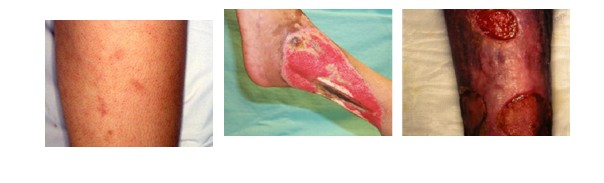
Vasculitic lesions are most often found on the legs and feet. Other areas that may be aVected include the arms, trunk, buttocks, and head and neck. They are most likely on pressure points such as the knees, back of the foot and lower leg.

  • Tender lumps appear under the skin, especially on the thighs and lower legs. These usually measure between 4–15 mm in diameter and follow along the course of medium-sized arteries.
  • Larger in ammatory plaques may be seen. These tend to have nodules along the edges. As the plaques heal, they leave patches of postin ammatory pigmentation.
  • Infarcts in the skin present as purple or black patches or blood-Nlled blisters. They are dead areas of skin due to blocked blood vessels.
  • Small vessel vasculitis maypresent as palpable purpura
  • Blistering and ulceration may occur.
  • Livedo reticularis mayappear (a starburst dusky discolouration).

Systemic symptoms in cutaneous polyarteritis nodosa

In addition to the skin problems, patients with cutaneous PAN may also have generalised symptoms such as malaise, fever, sore throat, and joint and muscle aches and pains. Neurological symptoms may also be present and include numbness, tingling, sensory disturbances, weakness, and absent rePexes.

How is cutaneous polyarteritis nodosa diagnosed?

Skin biopsyofa typical lesion is often performed to make an accurate diagnosis of cutaneous PAN. A specimen showing panarteritis(in ammation of all blood vessels in the skin sample) is the only deNnitive proof of PAN.

Laboratory tests of blood samples are generally unhelpful in diagnosing or monitoring cutaneous PAN, as blood counts and chemistry are often normal. They are initially required to determine the cause of vasculitisor to exclude other organ involvement as occurs in systemic PAN.

Levels of ADA2 protein and/or CERC1 gene can be measured in some centres.

What is the treatment for cutaneous polyarteritis nodosa?

As cutaneous PAN is rare, there are no randomised trials to guide treatment. Standard treatment follows guidelines for other forms of vasculitis. The mainstay of treatment is often with oral corticosteroids(prednisone).

Other active treatments for cutaneous PAN may include:

Warfarin (with an international normalised ratio [INR] of 3) has been reported to be e ective in 3 cases of cutaneous polyarteritis nodosa with improvement in livedo reticularis and healing of ulcers.

New therapies are being developed for patients with cutaneous PAN that have DADA2. These unproven treatments include:

  • Recombinant ADA2 protein
  • Fresh frozen plasma
  • Haematopoietic cell transplantation
  • Anti-TNFαbiologics(if TNFα is elevated)
  • Anti-interleukin 6 monoclonal antibodies (eg, tocilizumab)

Symptomatic treatment

Occasionally skin graftsmay be advised for slow-healing ulcers, but they may fail because of the damage to the blood vessels supplying nutrition to the skin.

What is the outlook for cutaneous polyarteritis nodosa?

Cutaneous PAN usually runs a chronic course lasting from months to years with exacerbations and remissions. Neurological symptoms and muscular aches and pains usually resolve over a matter of months, whilst skin lesions take longer to heal.

Remissions may occur spontaneously or as a result of treatment.

read more

Carpal Tunnel Syndrome

Carpal Tunnel Syndrome

Carpal tunnel syndrome is possibly the most common nerve disorder experienced today. It affects 4 – 10 million Americans and is usually very treatable. Middle­aged to older individuals are more likely to develop the syndrome than younger persons, and females three times more frequently than males.

Carpal tunnel syndrome disables a key nerve, resulting in symptoms ranging from mild occasional numbness to hand weakness, loss of feeling and loss of hand function. The main symptom is numbness of the fingers. Given this widespread familiarity, people often attribute any discomfort or pain in the hand or wrist to carpal tunnel syndrome. However, there are many other conditions which can cause similar complaints. It is important to know the difference.

Fast Facts

Carpal tunnel syndrome may interfere with hand strength and sensation, and cause a decrease in hand function.

Other conditions, such as arthritis, tendonitis and other nerve involvement, need to be ruled out before diagnosing carpal tunnel syndrome.

Physicians can diagnose carpal tunnel syndrome by history of the symptoms, physical examination and electrical testing, and in some cases by use of ultrasound or MRI.

Carpal tunnel syndrome can be treated effectively with medications, splinting, steroid injections in the wrist and/or surgery.

What is carpal tunnel syndrome?

Carpal tunnel syndrome is possibly the most common nerve disorder experienced today. The carpal tunnel is located at the wrist on the palm side of the hand just beneath the skin surface (palmar surface). Eight small wrist bones form three sides of the tunnel, giving rise to the name carpal tunnel. The remaining side of the tunnel, the palmar surface, is composed of soft tissues, consisting mainly of a ligament called the transverse carpal ligament. This ligament stretches over the top of the tunnel.

The median nerve and nine flexor tendons to the fingers pass through the carpal tunnel. Flexor tendons help flex or bend the fingers. When the median nerve in the wrist is squeezed (by swollen tissues, for example), it slows or blocks nerve impulses from travelling through the nerve. Because the median nerve provides muscle function and feeling in the hand, this causes symptoms ranging from mild occasional numbness to hand weakness, loss of feeling and loss of hand function.

Usually carpal tunnel syndrome affects only one hand, but can affect both at the same time, causing symptoms in the thumb and the index, middle and ring fingers. In addition to numbness, patients with carpal tunnel syndrome may experience tingling, a pins and needle sensation or burning of the hand occasionally extending up to the forearm.

Frequently, symptoms appear in the morning after a person wakes up, but they can also happen during the night and interrupt their sleep. Symptoms can occur with certain activities such as driving, holding a book or other repetitive activity with the hands, especially activities that require a person to grasp something for long periods of time or bend their wrist. Activities that require use of the hands, such as buttoning a shirt, may become difficult, and carpal tunnel sufferers may drop things more easily. Individuals will often shake their hands trying to obtain relief and may feel that their hand is swollen when no swelling is present.

Because numbness and tingling may be mild and occur only periodically, many do not seek medical help. However, the disease can progress to more persistent numbness and burning. In some severe and chronic cases of carpal tunnel syndrome, loss of muscle mass occurs at the base of the thumb on the palm side of the hand. In these instances, especially when untreated, individuals can experience hand weakness, impaired use of the hand, and loss of sensation in their hand due to permanent nerve and muscle damage.

What causes carpal tunnel syndrome?

Carpal tunnel syndrome may occur in patients who are pregnant, overweight or have various medical conditions, including thyroid disease, diabetes or arthritis, or injuries such as wrist fractures. It is still debated whether repetitive work activities cause carpal tunnel syndrome, but it is thought that some repetitive hand activities, especially motions that can produce vibrations, can worsen the symptoms. Just as frequently, the syndrome occurs on its own.

However, many other conditions also can be responsible for symptoms of pain, swelling, numbness or weakness in the hands, such as diseases of the nerves located anywhere from the neck to the wrist. The pain and swelling in the hand joints and wrists caused by arthritis also can be responsible. For example, pain at the base of the thumb is commonly caused by osteoarthritis (/I­Am­A/Patient­Caregiver/Diseases­Conditions/Osteoarthritis). Tendonitis (/I­Am­A/Patient­Caregiver/Diseases­Conditions/Tendinitis­Bursitis)– an inflammation of the tendons that connect muscles to bones – can cause pain, swelling, and impaired use of the hand or wrist. Raynaud’s phenomena (/I­Am­A/Patient­Caregiver/Diseases­Conditions/Raynauds­Phenomenon) can cause numbness and burning of the fingers as a result of cold exposure and sometimesdue to autoimmune diseases. Raynaud’s also causes fingers to have a whitish, bluish or reddish color at various times; color changes are not seen in carpal tunnel syndrome. Health care professionals should exclude these and other diseases before diagnosing carpal tunnel syndrome.

How do physicians diagnose carpal tunnel syndrome?

Diagnosis of carpal tunnel syndrome based on an accurate description of the symptoms a patient is experiencing. During physical examination, testing may identify weakness of the muscles supplied by the median nerve in the hand, including some thumb muscles affected by the syndrome. There may be decreased sensation in the hand when pricked with a pin or lightly touched. Bending the wrist at a 90 degree angle for one minute may cause symptoms to appear in the hand (Phalen test), or tapping on the wrist with a reflex hammer may cause an electric shock­like sensation (Tinel Sign). Late in the disease, the muscles might be thinning or declining at the base of the thumb.

Health care professionals can confirm the diagnosis of carpal tunnel syndrome and determine its severity with a two­part electrical test called the nerve conduction test. The nerve conduction test is the strongest evidence for carpal tunnel syndrome.

During the first part of the test, a small electrode that generates a mild electrical current is placed on the skin on the elbow side of the tunnel. This current stimulates the median nerve. The impulse from the stimulation travels down the nerve, through the tunnel, and to the hand – where the doctor will measure how long it took for the impulse to get there. If the median nerve is damaged, the impulse will take longer than expected to get to the hand. The worse the nerve damage is, the longer it will take for the impulse to get to the hand.

The second part of the test is called electromyography. It measures how badly the muscle is functioning. A small needle is placed in various muscles that receive impulses from the median nerve. The electrical impulses in the muscle are measured when the muscle is not being used and when the muscle is being used.

If the median nerve is severely squeezed, these muscles can be affected and will not perform normally during the test.

In recent years, diagnostic ultrasonography and MRI have been used to help diagnose carpal tunnel syndrome and exclude other causes of hand and wrist symptoms. These technologies can identify swelling of the median nerve and abnormalities of the tunnel wall, its contents and surrounding area. They can also help determine why the median nerve is being squeezed, or compressed. For example, inflammation of structures in the tunnel like inflamed tendons might be causing the median nerve to be compressed. This can occur in rheumatoid arthritis (/I­Am­A/Patient­Caregiver/Diseases­Conditions/Rheumatoid­Arthritis). Other tendon abnormalities, such as excessive fat in the tunnel (also called a ganglion) also can be seen using MRI.

What is the treatment for carpal tunnel syndrome?

Pain medications such as acetaminophen and nonsteroidal anti­inflammatory drugs (/I­Am­A/Patient­Caregiver/Treatments/NSAIDs) can be used for symptom relief. Placing a splint on the affected wrist,especially at night, can help keep the wrist straight during the night and decrease the pressure on the median nerve. These splints are available in most drug stores and may relieve symptoms, especially in milder cases.

A cortisone injection into the carpal tunnel area often is helpful in relieving symptoms for weeks to months at a time and can be repeated. If an underlying disease like hypothyroidism (an underactive thyroid) or rheumatoid arthritis is causing the carpal tunnel syndrome, then treatment of the disease also may relieve symptoms.

When the above measures fail to relieve symptoms, surgery may be needed to open the carpal tunnel and relieve the pressure on the median nerve. This is known as a carpal tunnel release. In severe cases, physicians may consider surgery early on before trying other methods. The surgery may be an open surgical procedure or an endoscopic procedure and often can be done on an outpatient basis.

Updated September 2013. Written by Joseph J. Biundo, MD and Perry J. Rush, MD, and reviewed by the American College of Rheumatology Communications and Marketing Committee. This information is provided for general education only. Individuals should consult a qualified health care provider for professional medical advice, diagnosis and treatment of a medical or health condition.

© 2013 American College of Rheumatology

© 2015 American College of Rheumatology. All rights reserved.


read more

Benign paroxysmal positional vertigo (BPPV)

BPPV is a common cause of dizziness. It occurs in people of all ages but is more common in middle-aged and elderly people. It causes short bursts of intense dizziness when the body or head is placed in certain positions such as lying on one side in bed or looking upwards. People can feel sick and are sometimes unsteady for a few hours after the dizziness has gone away.

Benign – this means the cause of dizziness is not a threat to your health.

Paroxysmal – the dizziness comes in short bursts.

Positional – the dizziness is provoked by certain body or head positions.

Vertigo – the medical name for the spinning sensation.

Causes

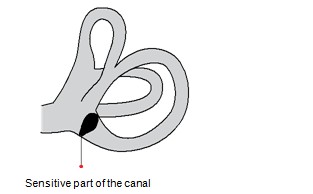
There is a collection of tiny crystals inside your ear. They have a valuable role to play when sitting in the correct position. BPPV occurs when the crystals are dislodged from their correct position. They move into one or more of the semi-circular canals and either continue to float around or become attached to another part of the ear.

Diagram 1 – Semi-circular canals


When you put your head into certain positions the crystals can move, making your brain think you are moving, even though you are not. This causes your eyes to move in a particular way. If you stay in the position which makes you dizzy, the crystals will settle and the dizziness will wear off.

The crystals can become dislodged from their normal position for a number of reasons. These include a head injury or an infection of the inner ear. More commonly it happens for no reason. BPPV normally occurs in one ear but some people have it in both ears at the same time.

Diagnosis

Your description of your symptoms is helpful in diagnosing BPPV. There are also tests to help diagnose BPPV. These tests involve moving from sitting to lying down, trying to recreate the positions that cause your symptoms. While you are lying down we will observe your eyes and may use some goggles to record your eye movements on a computer. During these tests we can assess

Treatment

It is common for BPPV to clear up by itself after a few weeks or months and no treatment is required. If it does not resolve itself treatment is a safe, simple and quick procedure. For most patients the dizziness is stopped after just one treatment, though occasionally the treatment may need to be repeated a second or third time.

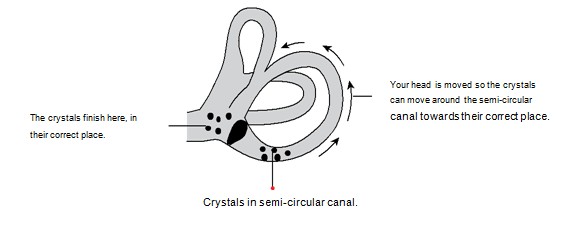
To stop the dizziness we have to move the crystals back to where they came from. This can be done by moving your body and head through a series of slow, controlled movements. The exact positions will depend on which canal the crystals are in and whether the crystals are floating around or have become attached to another part of the ear.

Diagram 2 – Crystals moving in semi-circular canal.

After the treatment

Some people feel imbalanced or slightly unwell after treatment. This can last up to 48 hours. Following this, if the treatment has been successful, you should have no symptoms when in positions that used to make you dizzy. After a few days you may want to try the positions that made you dizzy.

At your treatment appointment we will give you a plan for how we will assess if your symptoms have gone away. This is normally a phone appointment.

If your symptoms have gone away completely we will not need to see you again. If you have some or all of your dizzy symptoms we will arrange to see you again to repeat the treatment.

Some BPPV can return after treatment. This can be after a few months or even years. If it does return and lasts for a couple of weeks, you can contact us. We may be able to offer you an appointment and repeat the treatment.

Further information

Department of audiology and hearing therapy

Telephone: 023 8082 5124

Email: rshaudiology@uhs.nhs.uk

Level A

Royal South Hants Hospital

Brintons Terrace

Southampton

SO14 0YG

Version 3. Published February 2016.

Due for review February 2019. 2016-1279.


read more

Bariatric surgery

Overview

Gastric bypass and other weight-loss surgeries make changes to your digestive system to help you lose weight by limiting how much you can eat or by reducing the absorption of nutrients, or both. Gastric bypass and other weight-loss surgeries are done when diet and exercise haven’t worked or when you have serious health problems because of your weight.

There are many types of weight-loss surgery, known collectively as bariatric surgery. Gastric bypass is one of the most common types of bariatric surgery in the United States. Many surgeons prefer gastric bypass surgery because it generally has fewer complications than do other weight-loss surgeries.

Still, all forms of weight-loss surgery, including gastric bypass, are major procedures that can pose serious risks and side effects. Also, you must make permanent healthy changes to your diet and get regular exercise to help ensure the long-term success of bariatric surgery.

Why it’s done

Gastric bypass surgery is done to help you lose excess weight and reduce your risk of potentially life-threatening weight-related health problems, including:

Gastroesophageal reflux disease

Heart disease

High blood pressure

Severe sleep apnea

Type 2 diabetes

Stroke

Gastric bypass and other weight-loss surgeries are typically done only after you’ve tried to lose weight by improving your diet and exercise habits.

Who it’s for

In general, gastric bypass and other weight-loss surgeries could be an option for you if:

Your body mass index (BMI) is 40 or higher (extreme obesity).

Your BMI is 35 to 39.9 (obesity), and you have a serious weight-related health problem, such as type 2 diabetes, high blood pressure or severe sleep apnea. In some cases, you may qualify for certain types of weight-loss surgery if your BMI is 30 to 34 and you have serious weight-related health problems.

But gastric bypass isn’t for everyone who is severely overweight. You may need to meet certain medical guidelines to qualify for weight-loss surgery. You likely will have an extensive screening process to see if you qualify. You must also be willing to make permanent changes to lead a healthier lifestyle. You may be required to participate in long-term follow-up plans that include monitoring your nutrition, your lifestyle and behavior, and your medical conditions.

And keep in mind that bariatric surgery is expensive. Check with your health insurance plan or your regional Medicare or Medicaid office to find out if your policy covers such surgery.

Risks

As with any major surgery, gastric bypass and other weight-loss surgeries pose potential health risks, both in the short term and long term.

Risks associated with the surgical procedure can include:

Excessive bleeding

Infection

Adverse reactions to anesthesia

Blood clots

Lung or breathing problems

Leaks in your gastrointestinal system

Death (rare)

Longer term risks and complications of weight-loss surgery vary depending on the type of surgery.

They can include:

Bowel obstruction

Dumping syndrome, causing diarrhea, nausea or vomiting

Gallstones

Hernias

Low blood sugar (hypoglycemia)

Malnutrition

Stomach perforation

Ulcers

Vomiting

Death (rare)

How you prepare

If you qualify for gastric bypass or other weight-loss surgeries, your health care team gives you instructions on how to prepare for your specific type of surgery. You may need to have various lab tests and exams before surgery. You may have restrictions on eating and drinking and which medications you can take. You may be required to start a physical activity program and to stop any tobacco use.

You may also need to prepare by planning ahead for your recovery after surgery. For instance, arrange for help at home if you think you’ll need it.

What you can expect

Gastric bypass and other types of weight-loss surgery are done in the hospital. General anesthesia is used for weight-loss surgery. This means you’re unconscious during the procedure.

The specifics of your surgery depend on your individual situation, the type of weight-loss surgery you have, and the hospital’s or doctor’s practices. Some weight-loss surgeries are done with traditional large, or open, incisions in your abdomen. Today, most types of bariatric surgery are performed laparoscopically. A laparoscope is a small, tubular instrument with a camera attached. The laparoscope is inserted through small incisions in the abdomen. The tiny camera on the tip of the laparoscope allows the surgeon to see and operate inside your abdomen without making the traditional large incisions. Laparoscopic surgery can make your recovery faster and shorter, but it’s not suitable for everyone.

Surgery usually takes several hours. After surgery, you awaken in a recovery room, where medical staff monitors you for any complications. Your hospital stay may last from three to five days.

Types of bariatric surgery

Each type of bariatric surgery has pros and cons. Be sure to talk to your doctor about them. Here’s a look at common types of bariatric surgery:

Roux-en-Y (roo-en-y). This is a type of gastric bypass surgery, and is the most commonmethod of gastric bypass. This surgery is typically not reversible. It works by decreasing the amount of food you can eat at one sitting and reducing absorption of nutrients. The surgeon cuts across the top of your stomach, sealing it off from the rest of your stomach. The resulting pouch is about the size of a walnut and can hold only about an ounce of food. Normally, your stomach can hold about 3 pints of food. Then, the surgeon cuts the small intestine and sews part of it directly onto the pouch. Food then goes into this small pouch of stomach and then directly into the small intestine sewn to it. Food bypasses most of your stomach and the first section of your small intestine, and instead enters directly into the middle part of your small intestine.

Biliopancreatic diversion with duodenal switch. This is another type of gastric bypasssurgery. In this complex, multipart procedure, about 80 percent of the stomach is removed. The valve that releases food to the small intestine (the pyloric valve) remains, along with a limited

portion of the small intestine that normally connects to the stomach (duodenum). The surgery bypasses the majority of the intestine by connecting the end portion of the intestine to the duodenum near the stomach (duodenal switch and biliopancreatic diversion). This surgery both limits how much you can eat and reduces the absorption of nutrients. While it’s very effective, it has more risks, including malnutrition and vitamin deficiencies. It’s generally used for people who have a body mass index greater than 50.

Laparoscopic adjustable gastric banding (LAGB). In this weight-loss surgery, the surgeonpositions an inflatable band around the uppermost part of the stomach. When the band is inflated, it compresses the stomach, acting like a belt that tightens. This separates the stomach into two parts, with a very small upper pouch that communicates with the rest of the stomach through a channel created by the band. The small upper pouch limits the amount of food you can eat. The band can be adjusted so that it restricts more or less food. Because of its relative simplicity, LAGB is one of more common weight-loss surgeries. However, it may lead to less weight loss than may other procedures, and you may need to have the band adjusted periodically.

Sleeve gastrectomy. A sleeve gastrectomy, also called a vertical sleeve gastrectomy, is anewer type of weight-loss surgery. The sleeve gastrectomy is actually the first part of the surgical process for a biliopancreatic diversion with duodenal switch. However, the sleeve gastrectomy portion of surgery may be all that’s needed to lose sufficient weight — in some cases the second part, biliopancreatic diversion, isn’t needed. With sleeve gastrectomy, the structure of your stomach is changed to be shaped like a tube, which restricts the amount of calories your body absorbs.

Which type of weight-loss surgery is best for you depends on your specific situation. Your surgeon will take many factors into account, including your body mass index, your eating habits, your health problems, any previous surgery and the risks of each procedure.

After gastric bypass

After gastric bypass and other types of weight-loss surgery, you generally won’t be allowed to eat for one to two days so that your stomach and digestive system can heal. Then, you’ll follow a specific diet for about 12 weeks. The diet begins with liquids only, then progresses to ground-up or soft foods, and finally to regular foods. You may have many restrictions or limits on how much and what you can eat and drink.

You’ll also have frequent medical checkups to monitor your health in the first several months after weight-loss surgery. You may need laboratory testing, blood work and various exams.

You may experience changes as your body reacts to the rapid weight loss in the first three to six months after gastric bypass or other weight-loss surgery, including:

Body aches

Feeling tired, as if you have the flu

Feeling cold

Dry skin

Hair thinning and hair loss

Mood changes

Results

Gastric bypass and other bariatric surgeries can provide long-term weight loss. The amount of weight you lose depends on your type of surgery and your change in lifestyle habits. It may be possible to lose half, or even more, of your excess weight within two years.

In addition to weight loss, gastric bypass surgery may improve or resolve conditions often related to being overweight, including:

Gastroesophageal reflux disease

Heart disease

High blood pressure

Severe sleep apnea

Type 2 diabetes

Stroke

Gastric bypass surgery can also improve your ability to perform routine daily activities, which could help improve your quality of life.

When weight-loss surgery doesn’t work

Gastric bypass and other weight-loss surgeries don’t always work as well as you might have hoped. For one thing, although rare, something during or after the procedure itself may go wrong. For instance, the adjustable band may fail to work properly. If a weight-loss procedure doesn’t work right or stops working, you may not lose weight and you may develop serious health problems. Keep all of your scheduled follow-up appointments after weight-loss surgery. If you notice that you aren’t losing weight or you develop complications, see your doctor immediately. Your weight loss can be monitored and factors potentially contributing to your lack of weight loss evaluated.

It’s also possible to not lose enough weight or to regain weight after any type of weight-loss surgery, even if the procedure itself works correctly. This weight gain can happen if you don’t follow the recommended lifestyle changes. To help avoid regaining weight, you must make permanent healthy changes in your diet and get regular physical activity and exercise. If you frequently snack on high-calorie foods, for instance, you may have inadequate weight loss.

By Mayo Clinic Staff

Any use of this site constitutes your agreement to the Terms and Conditions and Privacy Policy linked below.

Terms and Conditions

Privacy Policy

Notice of Privacy Practices

Notice of Nondiscrimination

Mayo Clinic is a nonprofit organization and proceeds from Web advertising help support our mission. Mayo Clinic does not endorse any of the third party products and services advertised.

Advertising and sponsorship policy

Advertising and sponsorship opportunities

A single copy of these materials may be reprinted for noncommercial personal use only. “Mayo,” “Mayo Clinic,” “MayoClinic.org,” “Mayo Clinic Healthy Living,” and the triple-shield Mayo Clinic logo are trademarks of Mayo Foundation for Medical Education and Research.

© 1998-2019 Mayo Foundation for Medical Education and Research (MFMER). All rights reserved.


read more

Baker’s cyst

Overview

A Baker’s cyst is a fluid-filled cyst that causes a bulge and a feeling of tightness behind your knee.

The pain can get worse when you fully flex or extend your knee or when you’re active.

A Baker’s cyst, also called a popliteal (pop-luh-TEE-ul) cyst, is usually the result of a problem with your knee joint, such as arthritis or a cartilage tear. Both conditions can cause your knee to produce too much fluid, which can lead to a Baker’s cyst.

Although a Baker’s cyst may cause swelling and make you uncomfortable, treating the probable underlying problem usually provides relief.

Symptoms

In some cases, a Baker’s cyst causes no pain, and you may not notice it. If you do have signs and symptoms, they might include:

Swelling behind your knee, and sometimes in your leg

Knee pain

Stiffness and inability to fully flex the knee

Your symptoms may be worse after you’ve been active or if you’ve been standing for a long time.

When to see a doctor

If you have pain and swelling behind your knee, see your doctor. Though unlikely, a bulge behind your knee may be a sign of a condition more serious than a fluid-filled cyst.

Causes

A lubricating fluid called synovial (sih-NO-vee-ul) fluid helps your leg swing smoothly and reduces friction between the moving parts of your knee.

But sometimes the knee produces too much synovial fluid, resulting in buildup of fluid in an area on the back of your knee (popliteal bursa), causing a Baker’s cyst. This can happen because of:

Inflammation of the knee joint, such as occurs with various types of arthritis

A knee injury, such as a cartilage tear

Complications

Rarely, a Baker’s cyst bursts and synovial fluid leaks into the calf region, causing:

Sharp pain in your knee

Swelling in the calf

Sometimes, redness of your calf or a feeling of water running down your calf

These signs and symptoms closely resemble those of a blood clot in a vein in your leg. If you have swelling and redness of your calf, you’ll need prompt medical evaluation to rule out a more serious cause of your symptoms.

By Mayo Clinic Staff

Any use of this site constitutes your agreement to the Terms and Conditions and Privacy Policy linked below.

Terms and Conditions

Privacy Policy

Notice of Privacy Practices

Notice of Nondiscrimination

Mayo Clinic is a nonprofit organization and proceeds from Web advertising help support our mission. Mayo Clinic does not endorse any of the third party products and services advertised.

Advertising and sponsorship policy

Advertising and sponsorship opportunities

A single copy of these materials may be reprinted for noncommercial personal use only. “Mayo,” “Mayo Clinic,” “MayoClinic.org,” “Mayo Clinic Healthy Living,” and the triple-shield Mayo Clinic logo are trademarks of Mayo Foundation for Medical Education and Research.

© 1998-2019 Mayo Foundation for Medical Education and Research (MFMER). All rights reserved.

read more

ARTHRITIS AND JOINT PAIN

ARTHRITIS AND JOINT PAIN

Arthritis, or inflammation (pain with swelling) of the joints, is the most common extraintestinal complication of IBD. It may affect as many as 30% of people with Crohn’s disease or ulcerative colitis. Although arthritis is typically associated with advancing age, in IBD it often strikes younger patients as well. In addition to joint pain, arthritis also causes swelling of the joints and a reduction in flexibility.

It is important to point out that people with arthritis may experience arthralgia, but many people with arthralgia may not have arthritis.

Types of Arthritis

  • Peripheral Arthritis. Peripheral arthritis usually affects the large joints of the arms and legs, including the elbows,wrists, knees, and ankles. The discomfort may be “migratory,” moving from one joint to another. If left untreated, the pain may last from a few days to several weeks. Peripheral arthritis tends to be more common among people who have ulcerative colitis or Crohn’s disease of the colon. The level of inflammation in the joints generally mirrors the extent of inflammation in the colon. Although no specific test can make an absolute diagnosis, various diagnostic methods—including analysis of joint fluid, blood tests, and X-rays—are used to rule out other causes of joint pain. Fortunately, IBD-related peripheral arthritis usually does not cause any lasting damage and treatment of the underlying IBD typically results in improvement in the joint discomfort.
  • Axial Arthritis. Also known as spondylitis or spondyloarthropathy, axial arthritis produces pain and stiffness in thelower spine and sacroiliac joints (at the bottom of the back). Interestingly, and especially in young people, these symptoms may come on months or even years before the symptoms of IBD appear. Unlike peripheral arthritis, axial arthritis may cause permanent damage if the bones of the vertebral column fuse together—thereby creating decreased range of motion in the back. In some cases, a restriction in rib motion may make it difficult for people to take deep breaths. Active spondylitis generally subsides by age 40. Therapy for people with axial arthritis often includes the use of biologic therapies. Non-medical therapies are geared toward improving range of motion in the back. Stretching exercises are recommended, as is the application of moist heat to the back. Treatment of the underlying IBD is helpful, but generally less effective than in patients with peripheral arthritis.
  • Ankylosing Spondylitis. A more severe form of spinal arthritis, ankylosing spondylitis (AS) is a rare complication,affecting between 2% and 3% of people with IBD. It is seen more often in Crohn’s disease than in ulcerative colitis. In addition to causing arthritis of the spine and sacroiliac joints, ankylosing spondylitis can cause inflammation of the eyes, lungs, and heart valves. The cause of AS is not known, but most affected individuals share a common genetic marker. In some cases, the disease occurs in genetically susceptible people after exposure to bowel or urinary tract infections. Occasionally, AS foretells the development of IBD. AS typically strikes people under the age of 30, mainly adolescents and young adult males, appearing first as a dramatic loss of flexibility in the lower spine. Rehabilitation therapy is essential to help maintain joint flexibility. But even with optimal therapy, some people will develop a stiff or “ankylosed” spine. Symptoms of AS may continue to worsen even after surgical removal of the colon. It is important to see a rheumatologist when this disease is suspected, as biologic treatments often help reduce complications and joint damage.

Diagnosis

It is not always easy to determine if the arthritis is linked to the intestinal condition. In general, the arthritis that complicates IBD is not as severe as rheumatoid arthritis. The joints do not ordinarily undergo destructive changes, and joint involvement is not symmetric (affecting the same joints on both sides of the body). Except for ankylosing spondylitis, arthritis associated with IBD usually improves as intestinal symptoms improve.

Treatment

In the general population, people with peripheral arthritis may use nonsteroidal anti-inflammatory drugs (NSAIDs) to reduce pain and swelling of the joints. However, as a rule, these medications—which include aspirin and ibuprofen—are not a good option for everyone with IBD because they can irritate the intestinal lining and increase the inflammation. (It should be noted, though, that some people with IBD can tolerate NSAIDs and find these medications helpful in relieving symptoms of arthritis. It is important to discuss medication usage with your doctor.) Corticosteroids also may be used to treat the arthritis symptoms as well as IBD.

In most cases, doctors manage the symptoms of peripheral arthritis by controlling the inflammation within the colon. Only axial arthritis seems not to improve as the intestinal inflammation resolves. Once inflammation has decreased, possibly after a course of a medication such as prednisone or sulfasalazine (or other 5-aminosalicylates), joint pain generally disappears. Because they take months to work, the immunomodulators azathioprine and/or 6-mercaptopurine are not used specifically to control joint inflammation. However, the immunomodulator methotrexate can be an effective treatment for IBD-associated joint pain. Similarly, the newer biologic agents such as infliximab (Remicade®), adalimumab (Humira®), and certolizumab (Cimzia®) have all been shown to be very effective in reducing joint inflammation and swelling. Infliximab and adalimumab have even shown good results as a primary treatment for ankylosing spondylitis, preventing joint damage and destruction.

In addition to medication, doctors may recommend resting the affected joint, occasional use of moist heat, or range of motion exercises, as demonstrated by a physical therapist.


read more

Arthritis and Infection Risk

Arthritis and Infection Risk

People with inflammatory forms of arthritis have an increased risk of infections, which can range from mild to life threating. This increased risk can be caused by the disease itself, medications you take to treat the disease, and a variety of other health and lifestyle factors.

Doctors have long known that people with inflammatory forms of arthritis have an increased risk of infections, which can range from mild to life threating. This increased risk can be caused by the disease itself, medications you take to treat the disease, and a variety of other health and lifestyle factors.

The most likely causes of your increased risk of infection are as follows:

  • RA itself – Alterations of the immune system that occur in rheumatic diseases can impair the body’s ability to fight infection. Ali Ajam, MD, an assistant professor in the division of rheumatology and immunology at Ohio State University Wexner Medical Center in Columbus explains that these alterations probably account for only a small part of the risk.
  • Medications – Medications used to suppress the overactive immune system in inflammatory arthritis also suppress the body’s ability to fight infection.
  • Age–  As you get older your immune system might not work as effectively to fight infection.
  • Overall health–  Other health conditions have been shown to increase infection risk. Having lung disease, kidney disease or diabetes in addition to arthritis further increases risk.
  • Lifestyle habits – Unhealthy lifestyle habits, such as smoking, excessive alcohol use or unsafe sex practices put you at risk.
  • Hospitalizations – Hospitals are germ-filled places. The CDC estimates that about one in 25 hospital patients has at least one healthcare-associated infection.

How Big a Risk?

An increased infection risk may mean more frequent mild infections such as the common cold.  But inflammatory arthritis is also associated with the risk of more serious infections. A serious infection is one that requires intravenous antibiotics or hospitalization. Pneumonia, staph infections and sepsis are a few examples of serious infections.

Infection risk also rises with the severity of your disease. with mild disease, your risk increases almost three-fold, while severe RA raises the risk nearly five-fold. Active inflammation can lead to reduced mobility, a greater use of immune-suppressing drugs, more hospitalizations, and more surgeries – all putting you at increased risk of infection.

Medications and Infection

Drugs that suppress the immune system are the leading cause of infection risk whether someone has RA, ankylosing spondylitis or psoriatic arthritis, says Dr. Ajam. The magnitude of the risk as well as the specific types of infections vary with different drugs.

Studies show the greatest offender is corticosteroids. A large study published in 2016 in PLoS found the risk of some infections was two- to six-fold higher in people taking oral corticosteroids compared to that of people matched for age, gender and the underlying disease. The risk with corticosteroids is largely dependent on the dose and duration of steroid use.

Conventional disease-modifying antirheumatic drugs (DMARDs), such as methotrexate and leflunomide, are often associated with infections including bronchitis and pneumonia. But a 2018 study published the Journal of Clinical Medicine suggests infection risk with methotrexate is minimal at doses used to treat inflammatory arthritis. An analysis of 12 trials found a 25 percent increased risk of non-serious infection in people with RA taking methotrexate.  The analysis did not show an increased risk of serious infection or any infection for people with other inflammatory rheumatic diseases.

The risk of infections with DMARDs substantially increases when you add a biologic to the equation. Biologics are thought to increase the risk of certain types of infections like tuberculosis, pneumonia and skin and soft tissue infections.

A 2015 analysis published in The Lancet found that, compared to conventional DMARDs , biologics carry double the risk for serious infections. However, only moderate and high doses appear to be a concern; low doses of biologics had a similar risk for infections as the conventional DMARDs.
Infection risk with biologics may be different depending on the specific biologic you take. But researchers are still sussing that out.

While the risk for serious infection is increased with biologics, the risk of uncontrolled arthritis and joint damage without them is even greater. Dr. Ajam points out that risk of infections is still relatively low and modifiable. “If a patient starts a biologic and has frequent infections, lowering the dose or switching to another often solves the problem,” he says.

Cut Your Infection Risk

No matter your form of arthritis or the medications you take, you can reduce your risk of infection.  Some steps are common sense: Eat a balanced diet, wash your hands often, don’t smoke and get plenty of sleep. In addition, take the following critical steps.

  • Get vaccinated. An annual flu shot and the pneumococcal vaccine are musts. You should also get the shingles vaccine when you’re eligible; since it contains a live virus, you must receive this shot before starting a biologic.
  • Avoid sick people. If you will be exposed to others who may be ill, wear a surgical mask.
  • Consider supplements. Herbal supplements containing turmeric, garlic and cinnamon may give your immune system a boost.
  • Review your medications. Work with your doctor to make sure you are getting the safest medications and lowest doses of medications that controls your disease.

If you use a DMARD or biologic and develop signs of infection such as a fever, chills, sore throat or dry cough, call your doctor. While infections are an important concern for people with inflammatory forms of arthritis, good control of your symptoms should be foremost in your mind.

“Don’t be scared of your medications,” says Dr. Harrold. “Be proactive and manage the risk.”


read more