Monday - Saturday 9:00am - 8:00pm +91-9980094600

Month: September 2025

ACL injury

Overview

An ACL injury is a tear or sprain of the anterior cruciate (KROO-she-ate) ligament (ACL) — one of the major ligaments in your knee. ACL injuries most commonly occur during sports that involve sudden stops or changes in direction, jumping and landing — such as soccer, basketball, football and downhill skiing.

Many people hear or feel a “pop” in the knee when an ACL injury occurs. Your knee may swell, feel unstable and become too painful to bear weight.

Depending on the severity of your ACL injury, treatment may include rest and rehabilitation exercises to help you regain strength and stability or surgery to replace the torn ligament followed by rehabilitation. A proper training program may help reduce the risk of an ACL injury.

Symptoms

Signs and symptoms of an ACL injury usually include:

A loud “pop” or a “popping” sensation in the knee

Severe pain and inability to continue activity

Rapid swelling

Loss of range of motion

A feeling of instability or “giving way” with weight bearing

When to see a doctor

Seek immediate care if any injury to your knee causes signs or symptoms of an ACL injury. The knee joint is a complex structure of bones, ligaments, tendons and other tissues that work together. It’s important to get a prompt and accurate diagnosis to determine the severity of the injury and get proper treatment.

Causes

Ligaments are strong bands of tissue that connect one bone to another. The ACL, one of two ligaments that cross in the middle of the knee, connects your thighbone (femur) to your shinbone

(tibia) and helps stabilize your knee joint.

ACL injuries often happen during sports and fitness activities that can put stress on the knee:

Suddenly slowing down and changing direction (cutting)

Pivoting with your foot firmly planted

Landing awkwardly from a jump

Stopping suddenly

Receiving a direct blow to the knee or collision, such as a football tackle

When the ligament is damaged, there is usually a partial or complete tear of the tissue. A mild injury may stretch the ligament but leave it intact.

Risk factors

There are a number of factors that increase your risk of an ACL injury, including:

Being female — possibly due to differences in anatomy, muscle strength and hormonal influences

Participating in certain sports, such as soccer, football, basketball, gymnastics and downhill skiing

Poor conditioning

Wearing footwear that doesn’t fit properly

Using poorly maintained sports equipment, such as ski bindings that aren’t adjusted properly Playing on artificial turf surfaces

Complications

People who experience an ACL injury are at higher risk of developing osteoarthritis in the knee.

Arthritis may occur even if you have surgery to reconstruct the ligament.

Multiple factors likely influence the risk of arthritis, such as the severity of the original injury, the presence of related injuries in the knee joint or the level of activity after treatment.

Prevention

Proper training and exercise can help reduce the risk of ACL injury. A sports medicine physician, physical therapist, athletic trainer or other specialist in sports medicine can provide assessment, instruction and feedback that can help you reduce risks. Programs to reduce ACL injury include:

Exercises that strengthen leg muscles, particularly hamstring exercises, to ensure an overall balance in leg muscle strength

Exercises to strengthen the core, including the hips, pelvis and lower abdomen

Training and exercise emphasizing proper technique and knee position when jumping and landing from jumps

Training to improve technique when performing pivoting and cutting movements

Training to strengthen muscles of the legs, hips and core — as well as training to improve jumping and landing techniques — may help to reduce the higher ACL injury risk associated with women athletes.

Gear

Wear footwear and padding that is appropriate for your sport to help prevent injury. If you downhill ski, make sure your ski bindings are adjusted correctly by a trained professional so that your skis will release appropriately if you fall.

Wearing a knee brace doesn’t appear to prevent ACL injury or reduce the risk of recurring injury after surgery.

By Mayo Clinic Staff

Any use of this site constitutes your agreement to the Terms and Conditions and Privacy Policy linked below.

Terms and Conditions

Privacy Policy

Notice of Privacy Practices

Notice of Nondiscrimination

Mayo Clinic is a nonprofit organization and proceeds from Web advertising help support our mission. Mayo Clinic does not endorse any of the third party products and services advertised.

Advertising and sponsorship policy

Advertising and sponsorship opportunities

A single copy of these materials may be reprinted for noncommercial personal use only. “Mayo,” “Mayo Clinic,” “MayoClinic.org,” “Mayo Clinic Healthy Living,” and the triple-shield Mayo Clinic logo are trademarks of Mayo Foundation for Medical Education and Research.

© 1998-2019 Mayo Foundation for Medical Education and Research (MFMER). All rights reserved.


read more

Osteonecrosis

What is osteonecrosis?

Osteonecrosis is a bone disease. It results from the loss of blood supply to the bone. Without blood, the bone tissue dies. This causes the bone to collapse. It may also cause the joints that surround the bone to collapse. If you have osteonecrosis, you may have pain or be limited in your physical activity.

Osteonecrosis can develop in any bone, most often in the:

Thigh bone (femur).

Upper arm bone (humerus).

Knees.

Shoulders.

Ankles.

It is also called:

Avascular necrosis.

Aseptic necrosis.

Ischemic necrosis.

Who gets osteonecrosis?

Anyone can get osteonecrosis, but it is most common in men and people in their 30s, 40s, and 50s.

What are the symptoms of osteonecrosis?

Osteonecrosis does not always cause symptoms, especially when it first develops. As the disease gets worse, you may feel pain when you put your weight on a joint that is affected by osteonecrosis. Over time, you may feel pain in the joint even when you are resting.Pain caused by osteonecrosis may be mild or severe. If it causes your bone and joint to collapse, you may have severe pain and not be able to use the joint. For instance, if you have osteonecrosis in the hip, you may not be able to walk.

What causes osteonecrosis?

Osteonecrosis results from the loss of blood supply to the bone. Loss of blood supply to the bone can be caused by:

Medicines or Medical Treatments

Chemotherapy.

Radiation therapy.

High-dose steroids.

Organ transplants.

Medical Conditions

Cancer.

Lupus.

HIV/AIDS.

Gaucher’s disease.

Decompression sickness, also know as divers’ disease, the bends, or caisson disease.

Gout.

Vasculitis.

Osteoarthritis.

Osteoporosis.

Blood disorders, such as sickle cell disease.

Alcohol Use

Excessive alcohol use causes fatty substances to build up in the blood vessels. This can cause a decreased blood supply to the bone, which can lead to osteonecrosis.

Injury

A broken or dislocated bone, or a joint injury, may damage the surrounding blood vessels. This can cause a decreased blood supply to the bone, which can lead to osteonecrosis.

Some people develop osteonecrosis for no known reason.

Is there a test for osteonecrosis?

There is no single test for osteonecrosis. If your doctor suspects you have osteonecrosis, he or she will take your medical history and do a physical exam.

Your doctor may also order one or more tests to see which bones are affected.

These tests include:

X-ray.

Magnetic resonance imaging (MRI).

Computed tomography (CT) scan.

Bone scan.

Bone biopsy.

Measure of the pressure inside the bone.

How is osteonecrosis treated?

Most people with osteonecrosis need treatment.

The goals of treatments are to:

Improve use of the joint.

Stop further damage.

Protect bones and joints.

Your treatment options may include surgery or nonsurgical treatments, such as medicines. Your doctor will determine the best treatment for you based on several factors, including:

Your age.

The stage of the disease.

Where and how much bone has osteonecrosis.

The cause, if known. If the cause is steroid or alcohol use, treatment may not work unless you stop using those substances.

Nonsurgical Treatments

Non-surgical treatments do not cure osteonecrosis, but they may help manage the disease. Your doctor may recommend one or more non-surgical treatments, especially if the disease is in its early stages.

Medications

 Nonsteroidal anti-inflammatory drugs (NSAIDs) are used to reduce pain

and swelling.

If you have blood-clotting problems, blood thinners may be used to prevent clots that block the blood supply to the bone.

If you take steroid medicines, cholesterol-lowering drugs may be used to reduce fat in the blood.

Taking Weight Off the Joint

Your doctor may suggest you limit your activity or use crutches to take weight off joints with osteonecrosis. This may slow bone damage and allow some healing. If combined with NSAIDs, it may help you avoid or delay surgery.

Range-of-Motion Exercises

Your doctor may recommend you exercise the joints with osteonecrosis to help improve their range of motion.

Electrical Stimulation

Your doctor may recommend electrical stimulation therapy to help bone growth.

Surgery

Most people with osteonecrosis eventually need surgery as the disease worsens. Some people with early stage disease may need surgery if non-surgical treatments do not help.

There are four types of surgery. Your doctor will decide if you need surgery and what type is best for you.

 Core decompression surgery, which lowers the pressure inside the bone.

This increases blood flow to the bone.

 Osteotomy, which reshapes the bone. This reduce stress on the damaged joint.

 Bone graft, which takes healthy bone from one part of the body and uses it to replace diseased bone.

 Total joint replacement, which replaces the joint with a man-made one.

Points to Remember Friendly Title

Points To Remember About Osteonecrosis

Points to Remember Content

Osteonecrosis is a bone disease that may cause pain or limit physical activity.

Anyone can get osteonecrosis, but it is most common in people in their 30s, 40s, and 50s.

Osteonecrosis results from the loss of blood supply to the bone. Without blood, the bone tissue dies and the bone collapses.

Loss of blood supply to the bone can be caused by medicines or medical procedures, medical conditions, alcohol use, injury, or increased bone pressure. It is not always known what causes the loss of blood supply to the bone.

Most people with osteonecrosis need treatment. Your treatment options may be nonsurgical, surgical, or both.

For more info

U.S. Food and Drug Administration

Toll free: 888-INFO-FDA (888-463-6332)

Website:https://www.fda.gov

Drugs@FDAat https://www.accessdata.fda.gov/scripts/cder/dafDrugs@FDAis a searchable catalog of FDA-approved drug products.

Centers for Disease Control and Prevention, National Center for Health Statistics

Website:https://www.cdc.gov/nchs

National Institute of Dental and Craniofacial Research Website:https://www.nidcr.nih.gov

American Academy of Orthopaedic Surgeons Website:https://www.aaos.org

The Hip Society

Website:https://www.hipsoc.org

National Osteonecrosis Foundation

Website:https://www.nonf.org

Arthritis Foundation

Website:https://www.arthritis.org

If you need more information about available resources in your language or other languages, please visit our webpages below or contact the NIAMS Information Clearinghouse atNIAMSInfo@mail.nih.gov.

 Asian Language Health Information

 Spanish Language Health Information

Publication/Catalog Link

Download this topic as a PDF

Download this topic as an EPUB

Osteonecrosis (Avascular Necrosis), Questions and Answers about


read more

Osteoporosis

Osteoporosis is a common condition where bones become weak that affects both men and women, mainly as they grow older. Bone is living tissue that is in a constant state of regeneration. That is, the body removes old bone (called bone resorption) and replaces it with new bone (bone formation). By their mid­30s, most people begin to slowly lose more bone than can be replaced. As a result, bones become thinner and weaker in structure.

Osteoporosis is silent because there are no symptoms (what you feel). It may come to your attention only after you break a bone. When you have this condition, a fracture can occur even after a minor injury, such as a fall. The most common fractures occur at the spine, wrist and hip. Spine and hip fractures, in particular, may lead to chronic (long­term) pain and disability, and even death. The main goal of treating osteoporosis is to prevent such fractures in the first place.

Fortunately, you can take steps to reduce your risk of osteoporosis. By doing so, you can avoid the often­ disabling broken bones (fractures) that can result from this condition. If you already have osteoporosis, new medications are available to slow or even stop the bones from getting weaker. These medicines also can decrease the chance of having a fracture.

Fast Facts

Osteoporosis results from a loss of bone mass (measured as bone density) and from a change in bone structure. Many factors will raise your risk of developing osteoporosis and breaking a bone. You can change some of these risk factors, but not others. Recognizing your risk factors is important so you can take steps to prevent this condition or treat it before it becomes worse.

Age is not the only risk factor for osteoporosis. Lifestyle choices, certain diseases and even medications can lead to this condition.

A simple test known as a bone density scan can give important information about your bone health. Newer medications can slow and even stop the progression of bones getting weaker, and can help decrease fracture risk.

What causes osteoporosis?

Osteoporosis results from a loss of bone mass (measured as bone density) and from a change in bone structure. Many factors will raise your risk of developing osteoporosis and breaking a bone. You can change some of these risk factors, but not others. Recognizing your risk factors is important so you can take steps to prevent this condition or treat it before it becomes worse.

Major risk factors that you cannot change include:

Older age (starting in the mid­30s but more likely with advancing age)

Non­Hispanic white or Asian ethnic background

Small bone structure

Family history of osteoporosis or an osteoporosis­related fracture in a parent or sibling Prior fracture due to a low­level injury, particularly after age 50

Risk factors that you may be able to change include:

Low levels of sex hormone, mainly estrogen in women (e.g., menopause)

The eating disorders anorexia nervosa and bulimia

Cigarette smoking

Alcohol abuse

Low calcium and vitamin D, from low intake in your diet or inadequate absorption in your gut

Sedentary (inactive) lifestyle or immobility

Certain medications, including the following:

glucocorticoid medications (also called corticosteroids), such as prednisone (brand names: Deltasone, Orasone, etc.) or prednisolone (Prelone); see fact sheet on glucocorticoid­induced osteoporosis (/I­Am­ A/Patient­Caregiver/Diseases­Conditions/Glucocorticoid­induced­Osteoperosis)

excess thyroid hormone replacement in those taking medications for low thyroid or hypothyroidism

heparin, a commonly­used blood thinner

some treatments that deplete sex hormones, such as anastrozole (Arimidex) and letrozole (Femara) to treat breast cancer or leuprorelin (Lupron) to treat prostate cancer and other health problems

Diseases that can affect bones

endocrine (hormone) diseases (hyperthyroidism, hyperparathyroidism, Cushing’s disease, etc.) inflammatory arthritis (rheumatoid arthritis (/I­Am­A/Patient­Caregiver/Diseases­Conditions/Rheumatoid­ Arthritis)ankylosing spondylitis (/I­Am­A/Patient­Caregiver/Diseases­Conditions/Spondyloarthritis), etc.)

Who gets osteoporosis?

Osteoporosis is more common in older women, mainly non­Hispanic white and Asian women. Yet it can occur at any age, in men as well as women, and in all ethnic groups. People over age 50 are at greatest risk of developing osteoporosis and having related fractures. Over age 50, one in two women and one in six men will suffer an osteoporosis­related fracture at some point in their lives. In the U.S., about 4.5 million women and 0.8 million men over the age of 50 have osteoporosis, according to 2005–06 data. These figures are lower than older estimates, suggesting that osteoporosis is decreasing in the population. This is consistent with recent trends seen in decreasing rates of hip fracture.

However, another 22.7 million women and 11.8 million men over age 50 have low bone mass (known as osteopenia). People with low bone mass are also at higher risk of fractures, but it is not as high as for people with osteoporosis. If bone loss continues, people with osteopenia can become osteoporotic.

How is osteoporosis diagnosed?

You can learn if you have osteoporosis by having a simple test that measures bone mineral density— sometimes called BMD. BMD —the amount of bone you have in a given area—is measured at different parts of your body. Often the measurements are at your spine and your hip, including a part of the hip called the femoral neck, at the top of the thighbone (femur). Dual energy X­ray absorptiometry (referred to as DXA or DEXA and pronounced “dex­uh”) is the best current test to measure BMD.

The test is quick and painless. It is similar to an X­ray, but uses much less radiation. Even so, pregnant women should not have this test, to avoid any risk of harming the fetus. DXA test results are scored compared with the BMD of young, healthy people. This results in a measure called a T­score. The scoring is as follows:

DXA T­score                                                                                               Bone mineral density (BMD)

Not lower than –1.0                                                                                 Normal

Between –1.0 and –2.5                                                                         Osteopenia (mild BMD loss)

­2.5 or lower                                                                                                Osteoporosis

The risk of fracture most often is lower in people with osteopenia than those with osteoporosis. But, if bone loss continues, the risk of fracture increases.

How is osteoporosis treated?

If you have osteoporosis, your health care provider will advise the following:

Calcium. Make sure you are getting enough calcium in your diet or you might need to consider taking supplements. The National Osteoporosis Foundation recommends 1,000 milligrams (shortened as mg) per day for most adults and 1,200 mg per day for women over age 50 or men over age 70.

Vitamin D. Get adequate amounts of vitamin D, which is important to help your body absorb calcium from foods you eat. The recommended daily dose is 400–800 International Units (called IU) for adults younger than age 50, and 800–1,000 IU for those age 50 and older. (These are the current guidelines from the National Osteoporosis Foundation.) You may need a different dose depending on your blood level of vitamin D.

Physical activity. Get exercise most days, especially weight­bearing exercise, such as walking.

Some people also will need medication. A number of medications are available for the prevention and/or treatment (“management”) of osteoporosis.

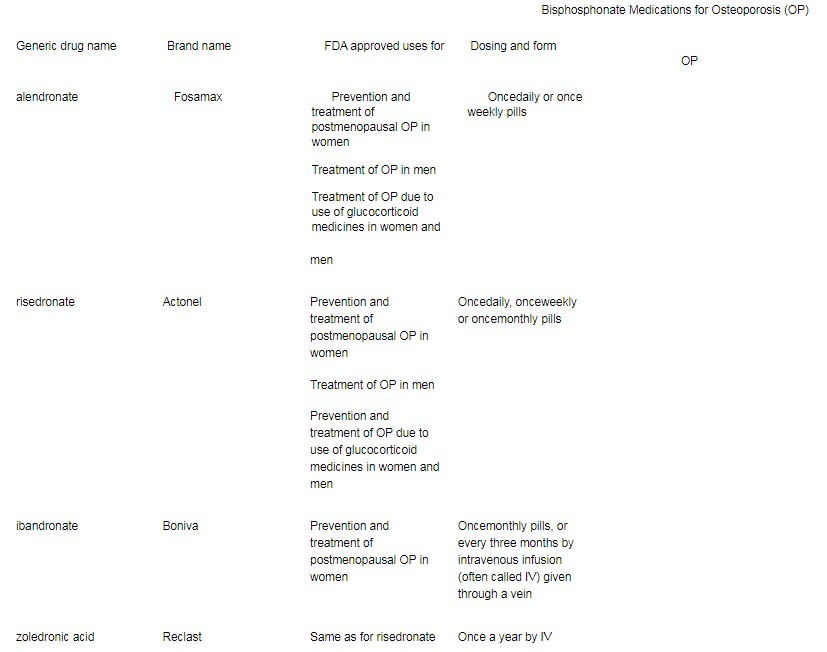
Bisphosphonates. The US Food and Drug Administration (better known as the FDA) has approved certain drugs called bisphosphonates to prevent and treat osteoporosis. This class of drugs (often called “anti­ resorptive” drugs) helps slow bone loss, and studies show they can decrease the risk of fractures. The Table shows the drug names and dosing (how often you receive the drug) of bisphosphonates approved in the US for management of osteoporosis.

With all of these medications, you should make sure you are taking enough calcium and vitamin D, and that the vitamin D levels in your body are not low. (Your doctor can measure your vitamin D level with a blood test.) Alendronate, risedronate and ibandronate are pills that you must take on an empty stomach with water only, or else you will not properly absorb the medicine. These drugs sometimes can irritate the esophagus (the tube that goes from the throat to the stomach). Therefore, you should remain upright for at least an hour after taking these medications.

Other bisphosphonates include clodronate (Bonefos), etidronate (Didronel), pamidronate (Aredia) and tiludronate (Skelid). They are used to treat other bone diseases but are not FDA approved for osteoporosis treatment. In some other countries, clodronate is approved for osteoporosis treatment. The bisphosphonates are also used to treat cancer that has spread to the bones. The dose used is most often higher than for osteoporosis. Zoledronic acid used in cancer treatment is marketed under another name (Zometa).

There have been reports of rare side effects that may be linked to use of bisphosphonates. These include osteonecrosis of the jaw (/I­Am­A/Patient­Caregiver/Diseases­Conditions/Osteonecrosis­of­the­Jaw­ONJ) (also called jaw osteonecrosis or ONJ) and atypical femoral fractures:

Osteonecrosis of the jaw. There have been reports of ONJ (permanent damage of the bones of the jaw) resulting after use of bisphosphonates, mostly in people who recently had a dental procedure or had dental disease. Most cases were in people who received high­dose IV bisphosphonates for cancer treatment. The risk of this problem in people taking these medications at doses recommended for osteoporosis management seems to be very low. Still, doctors recommend that anyone taking a bisphosphonate have good oral hygiene and regular dental care.

Atypical femoral fractures. Uncommon types of thighbone fractures have occurred in a small percent of people using bisphosphonates long term for their osteoporosis. Again, this risk appears to be very low, especially compared with the number of fractures that bisphosphonates prevent.

Calcitonin (Calcimar, Miacalcin). This medication, a hormone made from the thyroid gland, is given most often as a nasal spray or as an injection (shot) under the skin. It is FDA­ approved for the management of postmenopausal osteoporosis and helps prevent vertebral (spine) fractures. It also is helpful in controlling pain after an osteoporotic vertebral fracture.

Estrogen or hormone replacement therapy. Estrogen treatment alone or combined with another hormone, progestin, has been shown to decrease the risk of osteoporosis and osteoporotic fractures in women. However, combination estrogen and progestin can increase the risk of breast cancer, strokes, heart attacks and blood clots. Estrogens alone may raise the risk of strokes. Consult with your doctor about whether hormone replacement therapy is right for you.

Selective estrogen receptor modulators. These medications, often referred to as SERMs, mimic estrogen’s good effects on bones without some of the serious side effects such as breast cancer. However, there is still a risk of blood clots and stroke with use of SERMs. The SERM raloxifene (Evista) decreases the risk of spine fractures in women. It is approved for use only in postmenopausal women.

Teriparatide (Forteo). Teriparatide is a form of parathyroid hormone that helps stimulate bone formation. It is approved for use in postmenopausal women and men at high risk of osteoporotic fracture. It also is approved for treatment of glucocorticoid­induced osteoporosis. It is given as a daily injection under the skin and can be used for up to two years. If you have ever had radiation treatment or your parathyroid hormone levels are already too high, you may not be able to take this drug.

Strontium ranelate. This medicine is approved for managing postmenopausal osteoporosis in several countries around the world, but not the U.S. (Brand names include Protelos, Protos, Osseor, Bivalos, Protaxos and Ossum.) Studies show it lowers the fracture risk in postmenopausal women. The drug comes as a powder, which women dissolve in water and take daily. Because of an increased risk of blood clots, it should be used with caution in women who have a history of or risk of blood clots such as deep venous thrombosis or pulmonary embolism.

Denosumab (Prolia). This new class of “antiresorptive” drug is a fully human monoclonal antibody, a type of immune therapy. It works against a protein that interferes with the survival of bone­resorbing cells. This treatment is approved for use in postmenopausal women who have osteoporosis and are at high risk of fracture. Another approved use is for women and men at high risk of bone loss and fractures from hormone­ depleting medications used to treat breast and prostate cancer. Patients receive this medicine as an injection under the skin every six months.

This medication can make your calcium levels go very low, so your calcium and vitamin D levels should not be low when you start to take this medicine. There may be an increased risk of infections when using this drug. There have also been rare reports of ONJ linked to use of denosumab. This drug is also approved for the treatment of cancer involving the bones, and is marketed under another name (XGEVA).

Pregnancy and osteoporosis

Young women who have risk factors for osteoporosis and fractures need to carefully consider their medication options if they are planning a pregnancy. None of the drugs for managing osteoporosis has enough safety data available to recommend using them in women who are pregnant or breastfeeding.

Bisphosphonates, even after you stop taking them, can stay in your body a long time. Animal studies show that bisphosphonates cross the mother’s placenta and enter the fetus. The risk of harm to the fetus in humans is not known. Thus, women who want to become pregnant later should weigh the expected benefits of bisphosphonates against the possible risks. If a woman who has taken a bisphosphonate becomes pregnant, she should have her blood calcium levels checked, because they could become low.

Preventing osteoporosis

Lifestyle changes may be the best way of preventing osteoporosis. Here are some tips:

Make sure you get enough calcium in your diet or through supplements (roughly 1,000–1,200 mg/day, but will depend on your age).

Get enough vitamin D (400–1,000 IU/day, depending on your age and your blood level of vitamin D

measured by your doctor).

Stop smoking.

Avoid excess alcohol intake: no more than two or three drinks a day.

Be physically active and do weight­bearing exercises, like walking, most days each week. Aim for at least 2½ hours a week (30 minutes a day five times a week or 50 minutes a day three times a week), or as much as you can. Exercises that can improve balance, such as Tai Chi or yoga, may help prevent falls. Change lifestyle choices that raise your risk of osteoporosis. Implement strategies to help decrease your risk of falling.

You also should get treatment of any underlying medical problem that can cause osteoporosis. If you are on a medication that can cause osteoporosis, ask your doctor if you can lower the dose or take another type of medicine. Never change the dose or stop taking any medicine without speaking to your doctor first.

If you have low bone density and a high risk of breaking a bone, your doctor may suggest medicine to prevent your bones from getting weaker. (See the section “How is glucocorticoid­osteoporosis treated?”) Health care providers now have a tool for estimating the risk of a patient’s having an osteoporotic fracture in the next 10 years call the fracture risk assessment tool (FRAX (http://www.shef.ac.uk/FRAX)). It was developed by the World Health Organization, and the score can help guide treatment decisions.

Living with osteoporosis

As doctors who are experts in diagnosing and treating diseases of the joints, muscles and bones, rheumatologists can help find the cause of osteoporosis. They can provide and monitor the best treatments for this condition.

The most serious health consequence of osteoporosis is a fracture. Spine and hip fractures especially may lead to chronic pain, long­term disability and even death. The main goal of treating osteoporosis is to prevent fractures. If you have osteoporosis, it is important to help prevent not just further bone loss but also a fracture. Here are some ways to decrease your chance of falls:

Use a walking aid. If you are unsteady, use a cane or walker.

Remove hazards in the home. Remove throw rugs. Also, remove or secure loose wires or cables that may make you trip. Add nightlights in the hallways leading to the bathroom. Install grab bars in the bathroom and nonskid mats near sinks and the tub.

Get help carrying or lifting heavy items. If you are not careful, you could fall, or even suffer a spine fracture without falling.

Wear sturdy shoes with soles that grip. This is above all true in winter or when it rains.

For more information

The American College of Rheumatology has compiled this list to give you a starting point for your own additional research. The ACR does not endorse or maintain these Web sites, and is not responsible for any information or claims provided on them. It is always best to talk with your rheumatologist for more information and before making any decisions about your care.

National Osteoporosis Foundation

www.nof.org (http://www.nof.org/)

National Institutes of Health Osteoporosis and Related Bone Diseases National Resource Center www.osteo.org (http://www.osteo.org/)

Updated May 2015. Written by Shreyasee Amin, MD CM, MPH, and reviewed by the American College of Rheumatology Communications and Marketing Committee. This information is provided for general education only. Individuals should consult a qualified health care provider for professional medical advice, diagnosis and treatment of a medical or health condition.

©2015 American College of Rheumatology

© 2015 American College of Rheumatology. All rights reserved.


read more

Sjögren’s Syndrome

Between 400,000 and 3.1 million adults have Sjögren’s syndrome. This condition can affect people of any age, but symptoms usually appear between the ages of 45 and 55. It affects 10 times as many women as men. About half of patients also have rheumatoid arthritis or other connective tissue diseases, such as lupus.

In the early 1900s, Swedish physician Henrik Sjögren (SHOW­gren) first described a group of women whose chronic arthritis was accompanied by dry eyes and dry mouth. Today,rheumatologists (/I­Am­A/Patient­Caregiver/Health­Care­Team/What­is­a­Rheumatologist)know more about the syndrome that is namedfor Sjögren and—most significantly for patients—can offer advice about how to live with it.

Fast Facts

Sjögren’s syndrome is an autoimmune condition that can occur at any age, but is most common in older

women. Many patients develop Sjögren’s syndrome as a complication of another autoimmune disease, such as rheumatoid arthritis or lupus

Symptoms vary in type and intensity, but many people with Sjögren’s are able to live normal lives.

Most of the treatment for Sjögren’s syndrome is aimed at relieving symptoms of dry eyes and mouth and preventing and treating long­term complications such as infection and dental disease. Treatments often do not completely eliminate the symptoms of dryness.

Most patients with Sjögren’s syndrome remain healthy, but some rare complications have been described, including an increased risk for cancer of the lymph glands (lymphoma). Thus, regular medical care and follow up is important for all patients.

What is Sjögren’s syndrome?

Sjögren’s syndrome is an inflammatory disease that can affect many different parts of the body, but most often affects the tear and saliva glands. Patients with this condition may notice irritation, a gritty feeling, or painful burning in the eyes. Dry mouth (or difficulty eating dry foods) and swelling of the glands around the face and neck are also common. Some patients experience dryness in the nasal passages, throat, vagina and skin. Swallowing difficulty and symptoms of acid reflux are also common.

“Primary” Sjögren’s syndrome occurs in people with no other rheumatic disease. “Secondary” Sjögren’s occurs in people who have another rheumatologic disease, most oftensystemic lupus erythematosus (/I­Am­A/Patient­Caregiver/Diseases­Conditions/Lupus)andrheumatoid arthritis (/I­Am­A/Patient­Caregiver/Diseases­Conditions/Rheumatoid­Arthritis). It can occasionally be confused witha newly described syndrome call IGG4 disease.

Most of the complications of Sjögren’s syndrome occur because of decreased tears and saliva. Patients with dry eyes are at increased risk for infections around the eye and may have damage to the cornea. Dry mouth may cause an increase in dental decay, gingivitis (gum inflammation), and oral yeast infections (thrush) that may cause pain and burning. Some patients have episodes of painful swelling in the saliva glands around the face.

Complications in other parts of the body can occur. Pain and stiffness in the joints with mild swelling may occur in some patients, even in those without rheumatoid arthritis or lupus. Rashes on the arms and legs related to inflammation in small blood vessels (vasculitis) and inflammation in the lungs, liver, and kidney may occur rarely and be difficult to diagnose. Numbness, tingling, and weakness also have been described in some patients. The parotid gland is at the edge of the jaw and can become swollen and inflamed in some people with Sjögren’s Syndrome.

What causes Sjögren’s syndrome?

The cause of Sjögren’s syndrome is not known, but it is an autoimmune disorder. People with this disease have abnormal proteins in their blood. This suggests that the immune system, which normally functions to protect the body against cancers and infections, is reacting against its own tissue. The decrease in tears and saliva seen in Sjögren’s syndrome occurs when the glands that produce these fluids are damaged by inflammation. Research suggests that genetic factors and possibly viral infections may predispose people to developing this condition.

How is Sjögren’s syndrome diagnosed?

Diagnosis depends on a combination of symptoms, physical examination, blood tests, and sometimes special studies. Dry eyes and mouth may be early signs of the condition but require further investigation, because these symptoms can be caused by many other conditions or medications. Special tests may assess any decrease in tear or saliva production. An eye examination is helpful in detecting any eye changes seen in Sjögren’s. Blood tests can determine the presence of antibodies (immune system proteins that help destroy foreign invaders) typical of the disease. Typical antibodies includeanti­nuclear antibodies (ANA) (/I­Am­A/Patient­Caregiver/Diseases­Conditions/Antinuclear­Antibodies­ANA), anti­SSA and SSB antibodies orrheumatoid factor, but these are not always present. Biopsies of saliva glands around the face or under the surface of the inner lip also may be used to make a diagnosis.

How is Sjögren’s syndrome treated?

Treatment is designed to lessen the most bothersome symptoms. Dry eyes usually respond to artificial tears applied regularly during the day or to gels applied at night. Other measures, such as plugging or blocking tear ducts, can be used in more severe cases. Eye drops that reduce inflammation in the glands around the eyes, such as cyclosporine (Restasis), may be used to increase tear production. Drinking water, chewing gum, or using saliva substitutes may relieve dry mouth. Some patients benefit from using prescription medications that stimulate saliva flow, such as pilocarpine (Salagen) or cevimuline (Evoxac). If patients develop yeast infections, anti­fungal therapies may be used. Humidifiers and nasal saline irrigation may improve nasal dryness. Medications that reduce gastric acid (such as proton­pump inhibitors and H2 blockers) may lessen symptoms of acid reflux. Treatments may help relieve some of the dryness, but usually some dryness persists.

All patients should receive regular dental care to prevent cavities and tooth loss that may occur as a complication of Sjögren’s. Patients with dry eyes should see an ophthalmologist (eye doctor) regularly for signs of damage to the cornea. Patients with excessive redness and pain in the eyes should be evaluated for infections.

Hydroxychloroquine (/I­Am­A/Patient­Caregiver/Treatments/Hydroxychloroquine­Plaquenil)(Plaquenil), an antimalarial drug used in lupus and rheumatoid arthritis, may be helpful in some patients with Sjögren’s syndrome by reducing joint pain and rash experienced by some patients. Patients with rare but serious

systemic symptoms, such as fever, rashes, abdominal pain, or lung or kidney problems, may require treatment with corticosteroids such as prednisone (Deltasone and others) and/or immunosuppressive agents like methotrexate (/I­Am­A/Patient­Caregiver/Treatments/Methotrexate­Rheumatrex­Trexall)(Rheumatrex), azathioprine (/I­Am­A/Patient­Caregiver/Treatments/Azathioprine­Imuran)(Imuran),mycophenolate (/I­Am­A/Patient­Caregiver/Treatments/Mycophenolate­Mofetil­Mycophenolate­Sodium)(Cellcept) orcyclophosphamide (/I­Am­A/Patient­Caregiver/Treatments/Cyclophosphamide­Cytoxan)(Cytoxan). In addition, researchers are evaluating rituximab (Rituxan) and other biological therapies to treat cases of Sjögren’s that affect the entire body.

Broader health impact of Sjögren’s syndrome

A vast majority of patients with Sjögren’s syndrome remain very healthy, without any serious complications. Patients should know that they face an increased risk for infections in and around the eyes and an increased risk for dental problems due to the long­term decrease in tears and saliva.

Rarely, patients may have complications related to inflammation in other body systems, including:

Joint and muscle pain with fatigue

Lung problems that may mimic pneumonia

Abnormal liver and kidney function tests

Skin rashes related to inflammation of small blood vessels

Neurologic problems causing weakness and numbness

In a small number of people, Sjögren’s syndrome may be associated with lymphoma, a cancer of the lymph glands.

Living with Sjögren’s syndrome

Sjögren’s syndrome cannot be cured, but in many cases proper treatment helps to alleviate symptoms. Rheumatologists (/I­Am­A/Patient­Caregiver/Health­Care­Team/What­is­a­Rheumatologist)are specialists in musculoskeletal disorders and, therefore, are more likely to make a proper diagnosis. They also can advise patients about the best treatment options available.

People with Sjögren’s syndrome usually are able to live normal lives with very few adjustments. When a diagnosis is made, many patients must focus a great deal of attention dealing with dry eyes and dry mouth, but these symptoms tend to subside with time. Any pain or redness in the eyes should be evaluated promptly, as this may signal an infection. To reduce risk for cavities and other dental problems, patients must pay close attention to proper oral hygiene and regular dental care.

Patients should see their physician regularly for general health screening. They also should pay close attention to any abnormal swelling in the glands around the face or neck, under the arms, or in the groin areas, as this may be a sign of lymphoma.

Updated May 2015. Written by Christopher Wise, MD, and reviewed by the American College of Rheumatology Communications and Marketing Committee. This information is provided for general education only. Individuals should consult a qualified health care provider for professional medical advice, diagnosis and treatment of a medical or health condition.

© 2015 American College of Rheumatology

© 2015 American College of Rheumatology. All rights reserved.

read more

Scleritis

This material will help you understand scleritis, its causes, symptoms, and how it is treated.

What is scleritis?

Scleritis is inflammation of the sclera. Most often, there is an infection. The sclera is the white tissue that forms the outside wall of the eye. There are two main types of scleritis:

  • Anterior scleritis: affects the front part of the eye. This is the more common type.
  • Posterior scleritis: affects the back part of the eye.

What causes scleritis?

Scleritis is usually associated with autoimmune diseases. Your immune system normally protects your body from infection and keeps you from getting sick. Autoimmune diseases cause this system to attack healthy parts of your body by mistake. Common examples of autoimmune conditions include rheumatoid arthritis, lupus, and inflammatory bowel syndrome. The cause of scleritis when these other diseases are not present is unknown.

What are the symptoms of scleritis?

Symptoms of scleritis may include:

  • Redness and swelling of the white part of the eye
  • Severe eye pain or aching, which can extend to other parts of your face and jaw
  • Blurred vision
  • Watery eyes
  • Sensitivity to light

Having one or more of these symptoms does not mean that you have scleritis. However, if you do experience any, you should see your eye doctor right away for a complete eye exam.

How is scleritis treated?

Scleritis is often treated using steroids or other anti-inflammatory pills and/or eye drops prescribed by your eye doctor. These medications work to reduce pain and swelling in the eye. If your case is caused by another disease within the body, treatment of that condition may be helpful in controlling your scleritis. Even with treatment, it is possible that scleritis may return. It is important that you see your eye doctor and other specialists regularly to help treat and manage your scleritis.


read more

Gout

Gout is a painful and potentially disabling form of arthritis that has been around since ancient times. It is sometimes referred to as the “disease of kings,” because people long have incorrectly linked it to the kind of overindulgence in food and wine only the rich and powerful could afford. In fact, gout can affect anyone, and its risk factors vary.

The first symptoms usually are intense episodes of painful swelling in single joints, most often in the feet, especially the big toe. The swollen site may be red and warm. Fifty percent of first episodes occur in the big toe, but any joint can be involved. Fortunately, it is possible to treat gout and reduce its very painful attacks by avoiding food and medication triggers and by taking medicines that can help. However, diagnosing gout canbe hard, andtreatment plans (/I­Am­A/Patient­Caregiver/Diseases­Conditions/Living­Well­with­Rheumatic­Disease/Importance­of­Following­your­Treatment­Plan)often must be tailored for each person.

Fast Facts

Intensely painful, swelling joints (most often in the big toe or other part of the foot) and/or bouts of arthritis that come and go may indicate gout.

Finding the characteristic crystals in the fluid of joints allows health care providers to correctly diagnose gout.

Gout treatments exist, but therapy should be tailored for each person. Treatment choices depend on kidney function, other health problems, personal preferences and other factors.

Patients may need medications to lower their elevated blood uric acid levels that predispose to gout. The goal is a uric acid level less than 6 milligrams per deciliter (mg/dL).

There are two types of medicine for gout. For control of acute attacks of joint pain, there areNSAIDs (/I­Am­A/Patient­Caregiver/Treatments/NSAIDs), colchicine and corticosteroids. After gout flares haveresolved, there are medications that can lower the level of uric acid over time in order to prevent or lessen attacks.

Lifestyle changes such as controlling weight, limiting alcohol intake and limiting meals with meats and fish rich in purines also can help control gout.

What causes gout?

Gout occurs when excess uric acid (a normal waste product) collects in the body, and needle‐like urate crystals deposit in the joints. This may happen because either uric acid production increases or, more often, the kidneys cannot remove uric acid from the body well enough. Certain foods and drugs may raise uric acid

levels and lead to gout attacks. These include:

Shellfish and red meats

Alcohol in excess

Sugary drinks and foods that are high in fructose

Some medications, such as:

low­dose aspirin (but because it can help protect against heart attacks and strokes, we do not recommend that people with gout stop taking low­dose aspirin)

certain diuretics (“water pills”) such as hydrochlorothiazide (Esidrix, Hydro‐D) and Lasix immunosuppressants used in organ transplants such as cyclosporine (Neoral, Sandimmune) and tacrolimus (Prograf)

Over time, increased uric acid levels in the blood may lead to deposits of urate crystals in and around the joints. These crystals can attract white blood cells, leading to severe, painful gout attacks and chronic arthritis. Uric acid also can deposit in the urinary tract, causing kidney stones.

Who gets gout?

Gout affects more than three million Americans. This condition and its complications occur more often in men, women after menopause, and people with kidney disease. Gout is strongly linked to obesity, hypertension (high blood pressure), hyperlipidemia (high cholesterol and triglycerides) and diabetes. Because of genetic factors, gout tends to run in some families. Gout rarely affects children.

How is gout diagnosed?

Some other kinds of arthritis can mimic gout, so proper diagnosis (detection) is key. Health care providers suspect gout when a patient has joint swelling and intense pain in one or two joints at first, followed by pain‐ free times between attacks. Early gout attacks often start at night.

Diagnosis depends on finding the distinguishing crystals. The physician may use a needle to extract fluid from an affected joint and will study that fluid under a microscope to find whether urate crystals are present. Crystals also can be found in deposits (called tophi) that can appear under the skin. These tophi occur in advanced gout.

Uric acid levels in the blood are important to measure but can sometimes be misleading, especially if measured at the time of an acute attack. Levels may be normal for a short time or even low during attacks. Even people who do not have gout can have increased uric acid levels.

X­rays may show joint damage in gout of long duration. Ultrasound and dual energy computed tomography (commonly called dual energy CT) can show early features of gouty joint involvement. These imaging techniques also can help suggest the diagnosis.

How is gout treated?

Treatment of acute attacks

One treatment for active gout flares is colchicine. This medicine can be effective if given early in the attack. However, colchicine can cause nausea, vomiting, diarrhea and other side effects. Side effects may be less frequent with low doses. Patients with kidney or liver disease, or who take drugs that interact (interfere) with colchicine, must take lower doses or use other medicines. Colchicine also has an important role in preventing gout attacks (see below).

Nonsteroidal antiinflammatory drugs (/I­Am­A/Patient­Caregiver/Treatments/NSAIDs)– commonly called NSAIDs – are aspirin‐like medications that can decrease inflammation and pain in joints and other tissues. NSAIDs, such as indomethacin (Indocin) and naproxen (Naprosyn), have become the treatment choice for most acute attacks of gout. There is no proof that any one NSAID is better than others. High doses of short‐ acting NSAIDs give the fastest relief of symptoms. These medicines may cause stomach upset, ulcers or diarrhea, but they are well tolerated by most people when used for the short term. Some people cannot take NSAIDs because of health conditions such as ulcer disease or impaired kidney function or the use of blood thinners. The fact sheet on NSAIDs lists the types of patients who cannot take NSAIDs.

In patients with chronic undertreated gout crystals can be found in uric acid deposits (called tophi) that can damage joints & can appear under the skin. Corticosteroids such as prednisone and triamcinolone are useful options for patients who cannot take NSAIDs. Given orally (by mouth) or by injection (shot) into the muscle, these medicines can be very effective in treating gout attacks. If only one or two joints are involved, your doctor can inject a corticosteroid directly into your joint.

Health care providers may prescribeanakinra (Kineret) (/I­Am­A/Patient­Caregiver/Treatments/Anakinra­Kineret), an “interleukin 1 beta antagonist,” for very severe attacks of gout. Though thisrheumatoid arthritis(/I­Am­A/Patient­Caregiver/Diseases­Conditions/Rheumatoid­Arthritis)drug is not approved by the Food andDrug Administration (FDA), for gout treatment, it can quickly relieve gout symptoms for some patients. Some home remedies may help ease gout pain. Rest the affected joint and apply ice packs or cold compresses (cloths soaked in ice water and wrung out) to that spot.

Treatment to remove excess uric acid

Patients who have repeated gout flares, abnormally high levels of blood uric acid, or tophi or kidney stones should strongly consider medicines to lower blood uric acid levels. These medications do not help the painful flares of acute gout, so most patients should start taking them after acute attacks subside. The drug most often used to return blood levels of uric acid to normal is allopurinol (Lopurin, Zyloprim). It blocks production of uric acid. Another option, febuxostat (Uloric), also acts by blocking uric acid production.

Probenecid (Benemid) helps the kidneys remove uric acid. Only patients with good kidney function who do not overproduce uric acid should take probenecid.

Pegloticase (Krystexxa) is given by injection and breaks down uric acid. This drug is for patients who do not respond to other treatments or cannot tolerate them. New drugs to lower uric acid levels and to treat gout inflammation are under development.

Gout flares often can occur when you first start to use medications that lower blood uric acid levels. Patients can help prevent flares when starting these medications by also using low‐dose colchicine or NSAIDs. Often, doctors advise patients to keep taking colchicine in a low, preventive dose together with the uric acid­lowering medicine for at least six months.

If you are taking a uric acid­lowering drug, your doctor should slowly raise the dose and keep checking your blood uric acid levels. Once your uric acid levels drop below 6 mg/dL (normal), crystals tend to dissolve and new deposits of crystals can be prevented. You probably will have to stay on this medicine long term to prevent gout attacks.

What works well for one person may not work as well for another. Therefore, decisions about when to start treatment and what drugs to use should be tailored for each patient. Treatment choices depend on kidney function, other health problems, personal preferences and other factors.

What you eat can increase uric acid levels. Limit the amount of high­fructose drinks, such as non­diet soda. Also, do not drink alcohol, especially beer. Restrict eating foods that are rich in purines, compounds that break down into uric acid. These compounds are high in meat and certain types of seafood. New research has found purines in vegetables appear to be safe. Low‐fat dairy products may help lower uric acid levels.

In almost all cases, it is possible to successfully treat gout and bring a gradual end to attacks. Treatment also can decrease the number and size of tophi (deposits of uric acid crystals).

Broader health impacts of gout

Gout often is associated with high blood pressure, heart and kidney disease, or the use of medications that increase uric acid levels. Therefore, health care providers should test for these related health problems. Researchers are studying whether lowering blood uric acid levels can help heart disease and kidney disease.

Living with gout

Gout affects quality of life by both the intermittent attacks and the potential for chronic (lasting) arthritis. Compliance with your treatment plan is critical. Lifestyle changes may make it easier to manage this lifelong disease. Suggestions include gradual weight loss, avoidance of alcohol and reduced consumption of fructose‐ containing drinks and foods high in purines.

The rheumatologist’s role in the treatment of gout

Treatment of gout can be difficult because of coexisting illnesses and other medications. As experts in the treatment of arthritis,rheumatologists (/I­Am­A/Patient­Caregiver/Health­Care­Team/What­is­a­Rheumatologist)examine patients to learn whether gout is the cause of their arthritis and toeducate them about the role and proper use of medications and other treatments for gout. They also act as a resource to primary care doctors.

Written by H. Ralph Schumacher, MD, and reviewed by the American College of Rheumatology Communications and Marketing Committee. This information is provided for general education only. Individuals should consult a qualified health care provider for professional medical advice, diagnosis and treatment of a medical or health condition.

© April 2015 American College of Rheumatology

© 2015 American College of Rheumatology. All rights reserved.

read more

Diet and Warfarin

Your doctor has prescribed the medicine warfarin (brand names Coumadin and Jantoven) for you. It is an anticoagulant (blood thinner) that makes your blood clot more slowly to prevent dangerous problems, such as a stroke.

Your doctor can tell how well warfarin is working from a blood test, called international normalized ratio (INR). The test shows how quickly your blood clots.

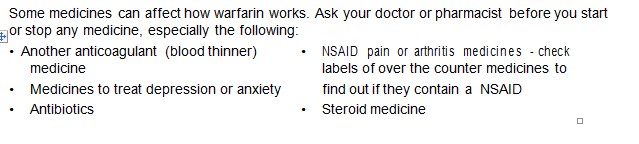
There are some foods, including those rich in vitamin K, alcohol, some dietary and herbal supplements, as well as some medicines, that can affect the way warfarin works in your body.

Foods rich in vitamin K

To help warfarin work well, it is important to keep your vitamin K intake as consistent as possible.

  • large increase in vitamin K can lower your INR to cause dangerous clotting in your blood.
  • large decrease in vitamin K can raise your INR to make it harder for your blood to clot. This could cause you to bleed too much. You do not need to avoid or follow a diet low in vitamin K while taking warfarin.

To keep your INR stable and within your recommended range:

  • Take warfarin exactly as your doctor directed.

 Have your INR checked regularly. The test is done at least monthly.

 Keep your vitamin K intake consistent week to week. For example, you may plan to eat 1/2cup of foods rich in vitamin K per day. If you like to eat these foods and eat them often, you can eat them, but be consistent.

  1. Do not make any major changes in your intake of foods rich in vitamin K. For example, if you eat a spinach salad every day, do not stop eating it entirely.
  2. Discuss vitamin supplements with your doctor. Do not take more than 1 supplement that contains vitamin K.


https://ndb.nal.usda.gov/ndb for vitamin K content of common foods.

If you greatly increase or decrease foods rich in Vitamin K in your diet, let your doctor know right away.

If your INR levels are hard to manage, meet with a dietitian to review the vitamin K content of your diet.

Cranberries

Moderate amounts of cranberry products are fine, such as one, 8-ounce glass of cranberry juice a day. Avoid eating or drinking large amounts of cranberries, cranberry juice, and cranberry supplements while taking warfarin.

Grapefruit

Do not eat grapefruit or drink grapefruit juice while taking warfarin.

Alcohol should be avoided. Talk to your doctor if you have questions.

Dietary and herbal supplements

  • Use of herbs in cooking, such as garlic and ginger, are safe to eat while you are on warfarin.
  • Some vitamin and mineral supplements in large doses can affect your body’s response to warfarin, such as taking more than 800 units of vitamin E a day.
  • It is safe to take an adult multivitamin each day that contains vitamin K, but do not take other supplements that contain vitamin K, such as a Viactiv calcium supplement.
  • Always talk to your doctor before starting, taking, or changing any herbal supplements, herbal teas, or dietary supplements.

Liquid nutritional supplements

Liquid nutritional drinks like Ensure, Boost, and Glucerna have a low amount of vitamin K added to 8-ounce bottles. If you drink several of these bottles each day, your vitamin K level may increase and require your warfarin dose to be changed.

If you use these nutritional drinks, tell your doctor that you are taking them since it may affect your warfarin dose.

Medicines

read more

Inflammatory Myopathies

The prospect of a muscle disease worries some people because they are afraid of not being able to walk. Yet in many cases, treatment exists for myopathy (muscle disease). Proper diagnosis and treatment raise the chance of living life fully despite this illness.

Fast Facts

Myopathy almost always causes loss of muscle strength.

Some patients also have rashes or breathing problems, or both.

While there is no cure for myopathies, treatment is most often effective. Following your doctor’s treatment plan is key to having a good outcome.

What are myopathies?

Myopathy is the medical term for muscle disease. Some muscle diseases occur when the body’s immune system attacks muscles. The result is misdirected inflammation, hence the name inflammatory myopathies. This damages muscle tissue and makes muscles weak.

People with inflammatory myopathies may have these features:

Weakness in the large muscles around the neck, shoulders and hips

Trouble climbing stairs, getting up from a seat, or reaching for objects overhead

Little, if any, pain in the muscles

Choking while eating or aspiration (intake) of food into the lungs

Shortness of breath and cough

The inflammatory myopathies include polymyositis and dermatomyositis. Muscle inflammation and weakness occur in both conditions while patients with dermatomyositis also have a rash. This rash most often appears as purple or red spots on the upper eyelids or as scaly, red bumps over the knuckles, elbows or knees. Children with the disease also may have white calcium deposits in the skin called calcinosis.

Sometimes patients can have the rash with no sign of muscle disease. Doctors call this form of the disease amyopathic dermatomyositis. People with dermatomyositis (/I­Am­A/Patient­Caregiver/Diseases­Conditions/Dermatomyositis­Juvenile) may also have lung inflammation that causes cough andshortness ofbreath. Children with the disease may have an inflammation of the blood vessels (vasculitis (/I­Am­A/Patient­Caregiver/Diseases­Conditions/Vasculitis)) that can result in skin lesions.

Some doctors group a health problem called inclusion body myositis with the inflammatory myopathies. Yet, it differs from them. Men get it more often than women, and the patients tend to be older. Most of these patients do not respond to standard treatment. Therefore, this fact sheet will not discuss this disease.

What causes myopathies and who gets them?

There are many causes of muscle disease. They include infection, muscle injury due to medicine, inherited diseases that affect muscle function, disorders of electrolyte levels, and thyroid disease. We do not know what causes inflammatory myopathies. A top theory is that something goes wrong in the immune system that leads to inflammation. This damages muscle cells or the blood vessels that are in the muscle.

Inflammatory myopathies are rare. Polymyositis and dermatomyositis occur in about one person per 100,000.

All ages can get these diseases. The peak time to get them, though, is ages 5 to 10 in children, and 40 to 50 in adults. Women get inflammatory myopathies about twice as often as men. These diseases affect all ethnic groups. No one can predict who will get an inflammatory myopathy.

How are myopathies diagnosed?

A doctor suspects myopathy when patients complain of trouble doing tasks that require muscle strength, or when they get certain rashes or breathing problems. Most people with myopathy have little or no pain in their muscles. This differs from other health problems. Examples are other forms of muscle disease, joint pain due to arthritis and nerve problems that cause numbness or tingling in the hands and feet. Many patients with other illnesses think they feel weak. In fact, they are tired, short of breath or depressed, rather than having true muscle weakness.

A doctor will do a muscle strength exam to find if true muscle weakness is present. The following test may then be needed:

A blood test to measure the level of various muscle enzymes

An electromyogram — often referred to as an EMG— to gauge electrical activity in muscle

A biopsy of a weak muscle (a small piece of muscle tissue is removed for testing)

Magnetic resonance imaging — more often called MRI — to try to show abnormal muscle

Some patients may have a blood test for myositis­specific antibodies (immune proteins). This test helps detect myopathy. It also gives some information about prognosis (how serious the disease is). In adults, dermatomyositis and, to a much lesser extent, polymyositis at times may be linked to cancer. Therefore, all adults with these diseases should have tests to rule out cancer.

How are myopathies treated?

You need a correct diagnosis of myopathy to have the best possible outcome. Rheumatologists are doctors who are experts in diagnosing and treating diseases of the muscles, joints and bones. Therefore, they are more likely to make a proper diagnosis of myopathy. They can also advise patients about the best treatment options available. Doctors most often treat these diseases with medications. Some of the most common treatments are as follows:

Corticosteroids: Often, the first treatment is an oral (by mouth) corticosteroid, such as prednisone, at a highdose. This reduces inflammation. Blood muscle enzymes tend to return to normal about 4−6 weeks after treatment starts. Most patients regain muscle strength in 2−3 months.

Combination treatment: Your doctor likely will add another drug to your treatment plan:methotrexate (/I­Am­A/Patient­Caregiver/Treatments/Methotrexate­Rheumatrex­Trexall) or azathioprine (/I­Am­A/Patient­Caregiver/Treatments/Azathioprine­Imuran). This gives better long­range control of the disease and helpsavoid long­term side effects of corticosteroids. These side effects include weight gain and redistribution of body fat, thinning of the skin, osteoporosis (/I­Am­A/Patient­Caregiver/Diseases­Conditions/Osteoporosis)and cataracts. Even muscle weakness can be a side effect. Because patients taking prednisone are at risk for osteoporosis, they should receive proper treatment to prevent it.

Immune treatments: Patients whose disease is severe or who do not respond to standard treatment haveother options. They include intravenous immunoglobulin — sometimes referred to as IVIg — or medicinesthat suppress the immune system. These immunosuppressive drugs include cyclosporine (/I­Am­A/Patient­Caregiver/Treatments/Cyclosporine­Neoral­Sandimmune­Gengraf) (Neoral,Sandimmune), tacrolimus(Prograf), mycophenolate mofetil (/I­Am­A/Patient­Caregiver/Treatments/Mycophenolate­Mofetil­Mycophenolate­Sodium) (CellCept) and rituximab (Rituxan) (/I­Am­A/Patient­Caregiver/Treatments/Rituximab­Rituxan­MabThera).

Physical therapy: Physical therapy can help patients with muscle disease go on leading active lives. Physicaltherapy and exercise are important in the treatment of muscle disease. Very weak patients who do not walk should receive range of motion exercises. These exercises prevent joint contractures (deformity of the joint). Patients with medium weakness should start an exercise program to strengthen their muscles. The goal is to slowly increase in intensity as the patient regains strength. Mildly weak patients should take part in their normal activities.

Living with myopathy

Myopathies are chronic (long­term) diseases. To help control your illness, it is important to practice good health measures. Eat a healthy, well­balanced diet, exercise and try to keep a healthy weight.

If you have a dermatomyositis rash, protect yourself from the sun. This is because the rash gets worse after sun exposure, for reasons that are not clear. Therefore, limit time outdoors, and put on sunscreen when you go outside.

If you have trouble swallowing, eat soft or semisolid foods, or puree your solid foods. To prevent choking if you are bedbound, you should be seated up in bed to eat.

People with myopathy may look healthy and normal. It is important for employers, teachers and family members to understand the limits that muscle weakness causes in people with myopathy.

Updated May 2015. This information was written by Marc Miller, MD, and reviewed by the American College of Rheumatology Communications and Marketing Committee. This information is provided for general education only. Individuals should consult a qualified health care provider for professional medical advice,

diagnosis and treatment of a medical or health condition.

© 2015 American College of Rheumatology

© 2015 American College of Rheumatology. All rights reserved.

read more